Understanding Southwest Florida's Climate
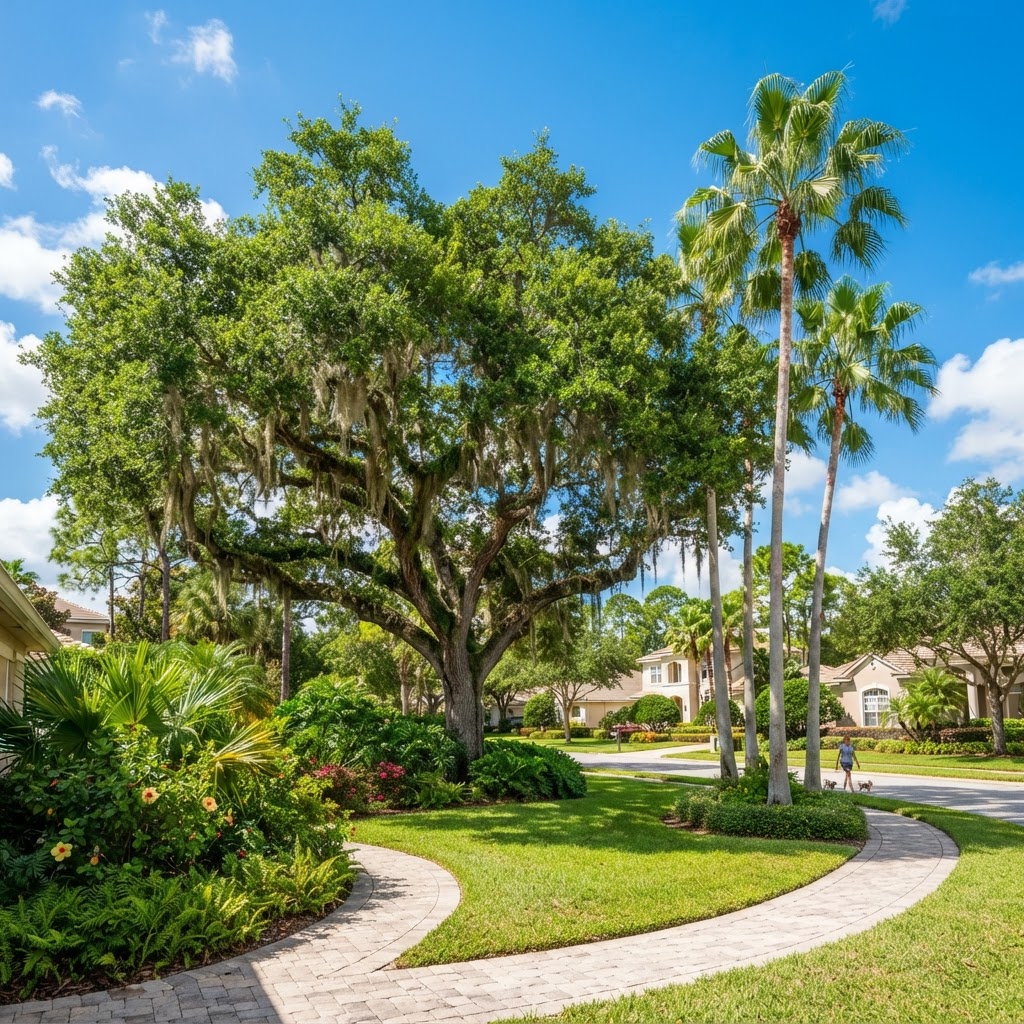
Our subtropical climate means trees face intense heat, high humidity, and seasonal storms. Palm trees, oak trees, and tropical species thrive here, but they need proper care to withstand these conditions. The combination of summer thunderstorms and hurricane threats makes proactive tree maintenance essential—not just for aesthetics, but for safety.
Spring: The Season for Growth and Assessment
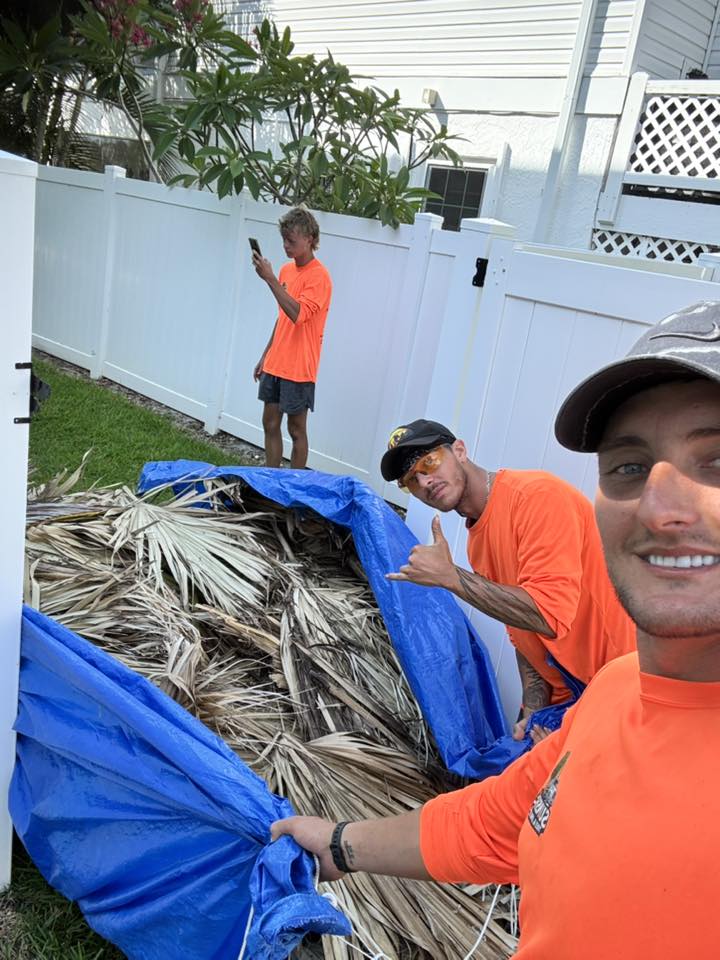
Spring (March-May) is the ideal time for a comprehensive tree health assessment. Look for signs of stress from winter, including dead branches, pest infestations, or disease. This is also the perfect time for fertilization, as trees are actively growing. For palm trees, remove dead fronds before hurricane season begins. Consider having a certified arborist inspect large trees near your home or power lines.
Summer: Managing Heat Stress and Storm Prep
June through October brings intense heat and the Atlantic hurricane season. Ensure your trees receive adequate water during dry spells—even mature trees need supplemental watering during extreme heat. Trim overhanging branches that could become projectiles during storms. Remove any dead or dying trees that pose a hurricane risk. Proper summer maintenance can prevent thousands of dollars in storm damage.
Fall: The Perfect Pruning Window
November and December offer ideal conditions for major tree work in Southwest Florida. Temperatures are moderate, and hurricane season has ended. This is the best time for significant pruning, tree removal, and new tree installations. Palm trees can be trimmed, and deciduous trees can be shaped without the stress of extreme heat.
Winter: Light Maintenance and Planning
While our winters are mild, January and February are perfect for light maintenance and planning. Remove any storm-damaged limbs, assess your landscape for the coming year, and schedule major projects for spring. This is also an excellent time to plant new trees, as they'll establish roots before the summer heat arrives.
Signs Your Trees Need Professional Attention
- Dead or hanging branches
- Cracks in the trunk or major limbs
- Leaning trees or exposed roots
- Fungal growth or decay
- Pest infestations (especially palm weevils)
- Trees touching or too close to your home or power lines
- Storm damage or lightning strikes
The Importance of Professional Tree Services
DIY tree work might seem cost-effective, but it's dangerous and often illegal in Southwest Florida. Professional arborists have the training, insurance, and equipment to work safely near power lines and structures. They understand local tree species and can spot problems before they become emergencies. Most importantly, professional services ensure work complies with local regulations and HOA requirements.